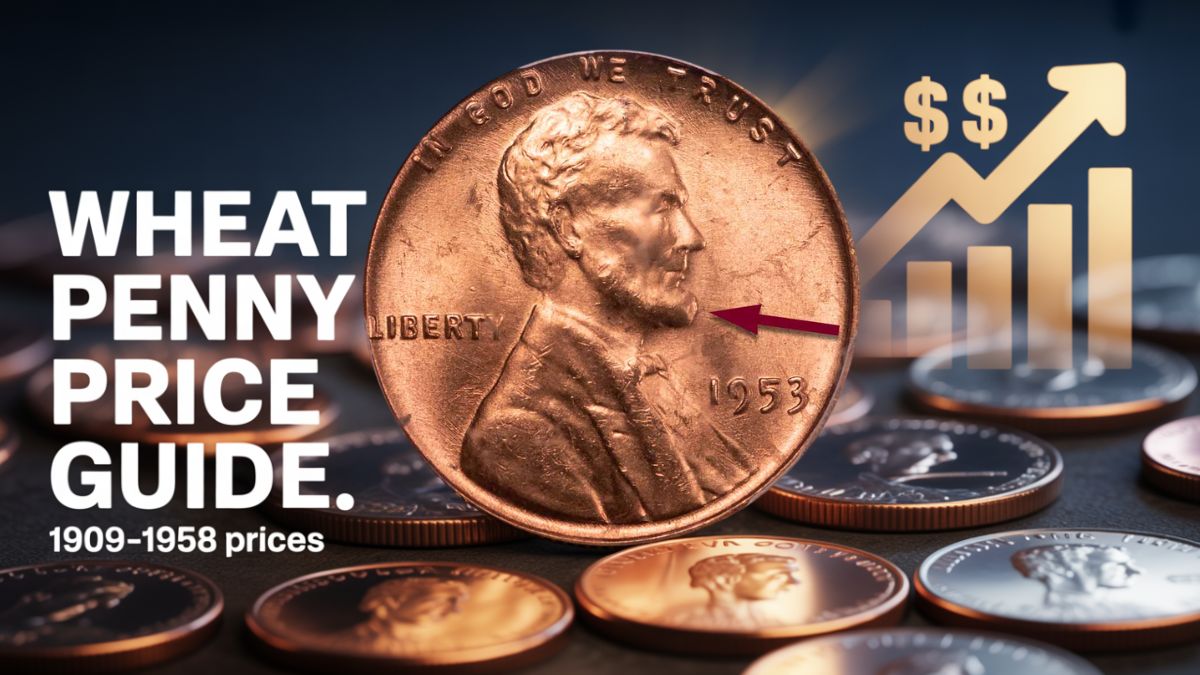
The Wheat Penny, also known as the Lincoln Cent, was first issued in 1909. Its purpose was to commemorate the 100th anniversary of Abraham Lincoln’s birth. These coins featured an image of Abraham Lincoln on the obverse and two stalks of wheat on the reverse. This design is not only notable for its uniqueness in the history of American coinage but also symbolizes respect and admiration from the American public and their leaders.
Wheat pennies are more than just coins; they represent significant moments in American history and culture. Produced for nearly fifty years, millions of these coins entered circulation. However, some years saw significantly lower production numbers, making those coins highly valuable and rare for collectors today.
The appeal of Wheat pennies for collectors lies not only in their rarity but also in their historical significance and artistry. Each year, mint marks and variations contribute to different values. From the early 1909 VDB coins to the final 1958 issues, Wheat Pennies have remained a subject of enduring interest for collectors and investors.
Table of Contents
The Design and Artistry of the Lincoln Cent
The design of the Wheat Penny was created by Victor David Brenner. The reverse of the coin featured two stalks of wheat, symbolizing prosperity and growth. This design was distinct from other coins of the time, making it instantly recognizable.
The greatest strength of the coin’s design was its simplicity yet profound meaning. Lincoln’s portrait on the obverse is clearly rendered, reflecting respect for his character and contributions. The wheat design on the reverse symbolizes American agriculture and economic development.
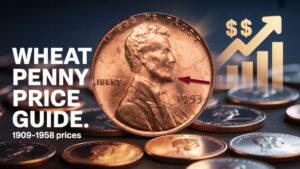
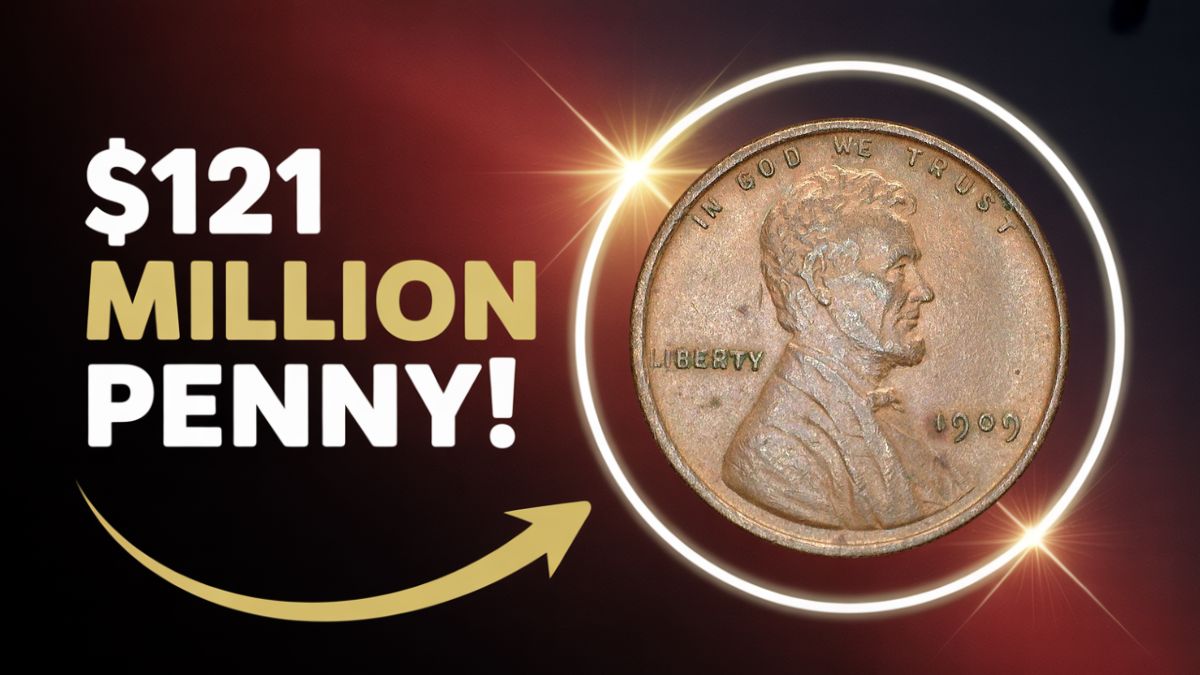
Collectors are particularly interested in coins from years and mint marks with low production numbers or those exhibiting unique errors or variations. For example, the 1909-S VDB coin is extremely rare and considered a centerpiece of any collection.
Key Dates and Mintmarks
The first step in assessing the value of a Wheat Penny is identifying the coin’s year and mintmark. These coins were produced at the Philadelphia (P), Denver (D), and San Francisco (S) mints. Each mint had different production numbers, which significantly impacts the coin’s rarity.
Some key and rare dates include:
- 1909-S VDB: Highly valuable due to limited production.
- 1914-D: A rare date and particularly valuable in higher grades.
- 1922 Plain: A collector’s favorite due to a specific variation.
- 1931-S: Collectible due to low mintage.
- 1955 Doubled Die (P): A valuable error coin with a doubled image on the obverse.
Correctly identifying the mintmark is crucial, as it can drastically change the coin’s value.
Coin Condition and Grading
The value of any Wheat Penny is heavily dependent on its condition. Coins are graded from Poor (P-1) to Mint State (MS-70). Higher-grade coins are not only more valuable but also more desirable to collectors.
Key indicators of condition include:
- Clarity of Lincoln’s portrait
- Sharpness of the wheat stalks
- Level of wear or damage to the coin
Sometimes, even common date coins can fetch prices comparable to rare coins if they are in exceptional condition. Conversely, rare date coins in poor condition will have significantly lower values.
Market Trends and Investment Opportunities
Wheat Penny collectors consistently show strong interest in the market. Rare years, unique error coins, and high-grade coins always command premium prices in the market. The value of these coins depends on their historical significance, rarity, and collector demand.
Coins with professional grading and certification fetch higher prices than ungraded coins. Therefore, if you are buying Wheat Pennies for investment purposes, using professional grading is always beneficial.
Wheat pennies are not only a part of a collection but can also prove to be valuable as a long-term investment.
Common Mistakes Collectors Should Avoid
- Ignoring mintmarks and variations
- Improperly cleaning coins, which can damage the natural patina or reduce their value
- Buying from online or uncertified sellers
- Not verifying the condition and authenticity of the coins
Using professional grading and certification is essential to ensure the authenticity of the coins.
Collection and Storage Tips
To preserve coins, they should be stored in airtight holders or coin albums. Frequent handling with bare hands can cause smudges and wear on the coins.
Also, avoid storing coins in excessively hot or humid places, as this can damage the metal.
Conclusion
Wheat pennies are not just small copper coins; they are symbols of American history, art, and culture. From the 1909 VDB to the final 1958 edition, these coins hold varying values based on rarity, mintmark, and condition.
For collectors and investors, understanding key dates, coin condition, and market trends is crucial. With proper care and research, these coins can be not only a source of enjoyment but also financially rewarding.
Collecting Wheat pennies is not only historically and artistically significant but also offers exciting and potentially lucrative investment opportunities for collectors.
FAQs
Q. What is a wheat penny?
A. A wheat penny is a U.S. Lincoln cent minted between 1909 and 1958, featuring two wheat stalks on the reverse side.
Q. Which wheat penny is the most valuable?
A. The 1909-S VDB wheat penny is one of the most valuable due to its very low mintage and high collector demand.
Q. How can I tell where a wheat penny was minted?
A. Check the mintmark below the date on the coin. “D” stands for Denver, “S” for San Francisco, and no mark means Philadelphia.
Q. Does the condition of a wheat penny affect its value?
A. Yes, condition is critical. Coins in higher grades with less wear are worth significantly more.
Q. Are wheat pennies a good investment?
A. They can be, especially rare dates and high-grade examples, but value depends on market demand, condition, and authenticity.