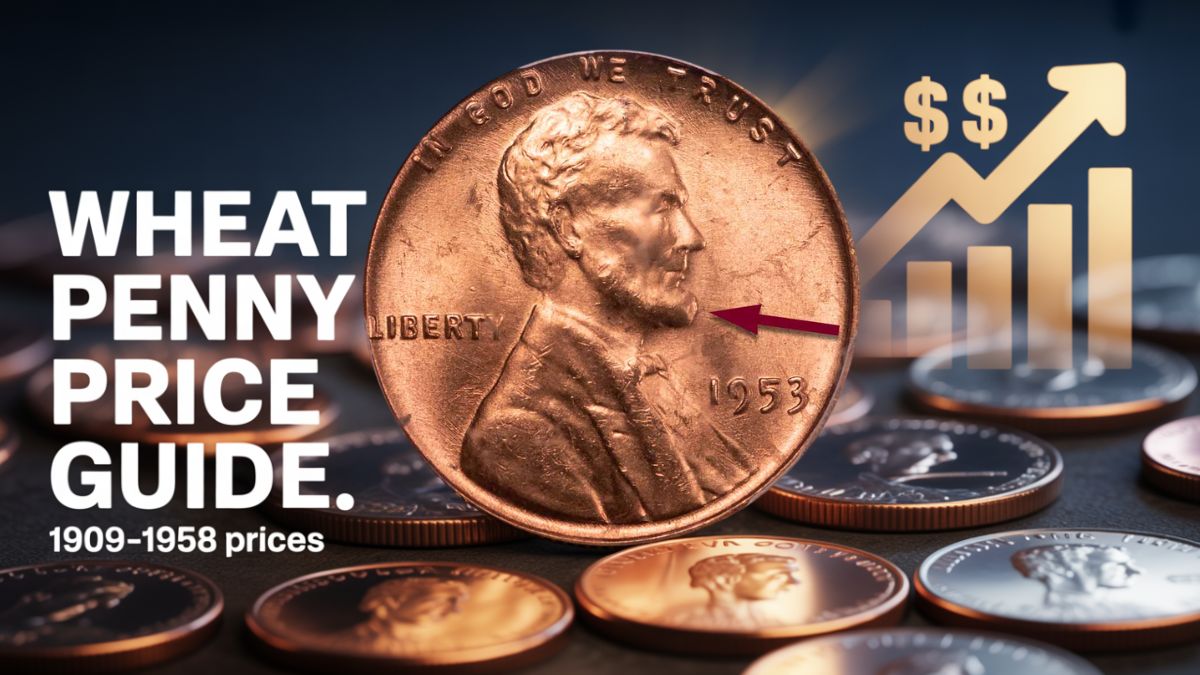
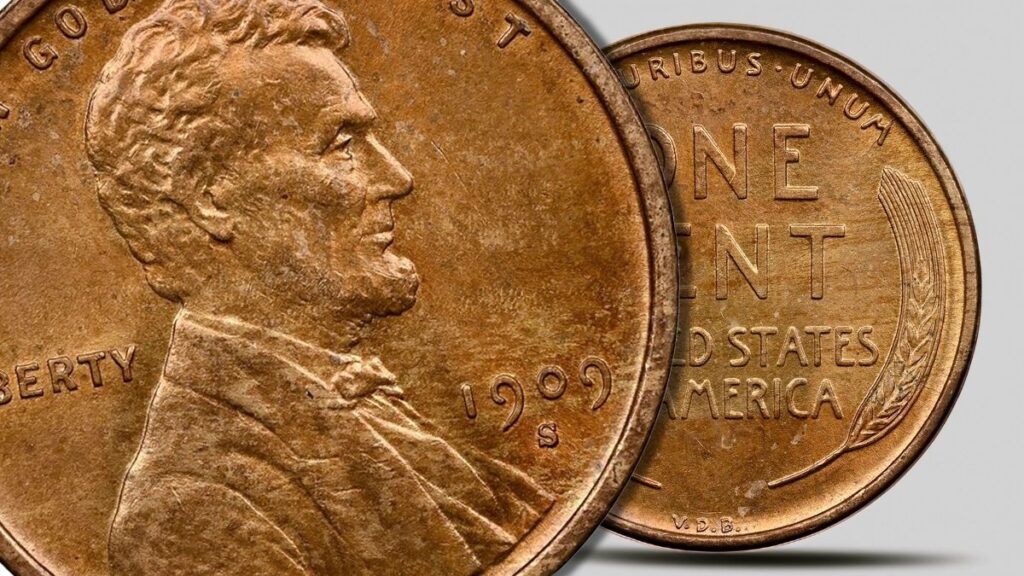
There are many types of coins around the world, but the value and history of some coins set them apart. The most prominent and famous among them is the Lincoln Wheat Penny, which recently reached a price of $121 million. This coin is special not only for its monetary value but also for its immense historical significance. It was issued in 1909 to commemorate the 100th birth anniversary of Abraham Lincoln, the 16th President of the United States. The coin features a portrait of Lincoln on the obverse and two ears of wheat on the reverse, symbolizing America’s agricultural tradition and the country’s prosperity at that time.
For coin collectors and investors, it is not just a currency but a historical document. Its unique design, rarity, and time-tested quality make it special. This coin demonstrates how even a seemingly ordinary 1-cent coin can tell a story of its time and history.
Table of Contents
The Most Valuable Lincoln Wheat Pennies

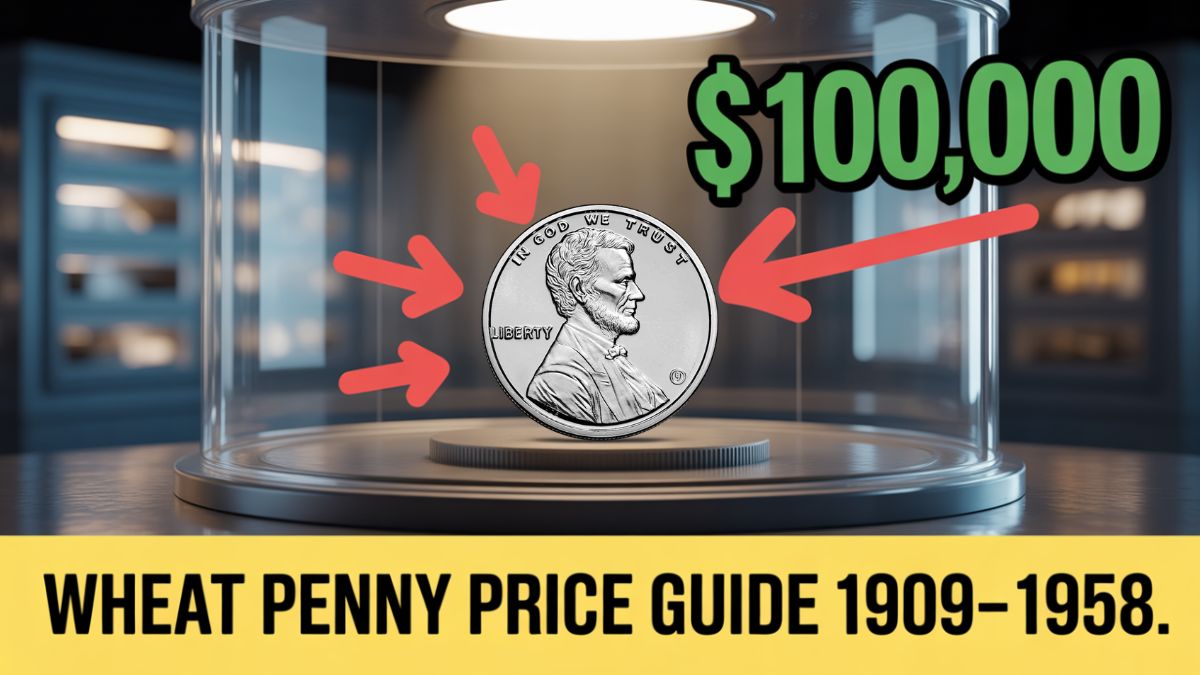
Several versions of the Lincoln Wheat Penny have become rare and expensive over time. The most valuable versions include the 1909-S, 1914-D, 1943 (Copper), and 1955 (Double Die Error). These coins sometimes have small lettering or misprints below the year, further increasing their rarity and value.
For example, the 1955 Double Die Error coin is created when the design is printed twice during minting, with a slight inconsistency. This results in double lettering and images, making it highly attractive and valuable among collectors. Similarly, the 1943 copper version is particularly rare because most pennies at the time were made of steel. Such coins are not only historically significant but also highly valuable from an investment perspective.
The Future of the Penny: The 1-Cent Coin in Danger
Recently, former President Donald Trump ordered the production of the 1-cent coin to cease. Trump stated that the penny’s purchasing power has virtually vanished and its production costs are no longer viable.
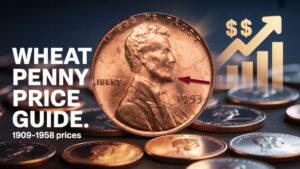
The penny is expensive to produce—one coin costs approximately 4 cents. A 5-cent coin (nickel) costs approximately 14 cents to produce. Despite this declining use, the penny has continued to be a popular coin. Supporters of the penny argue that it still has utility in small transactions, charities, and general commerce. However, Trump’s order signals that the time has come to change this tradition.
The Penny’s Circulation and Popularity
The penny has always been popular with Americans. The U.S. Mint minted approximately 3.2 billion pennies last year, accounting for more than half of all new coins minted. This indicates that the penny is still in mass production.
But MIT professor Jeff Gore, who founded Citizens to Retire the Penny, says the coins should last about 30 years. He also points out that the Mint has produced approximately 250 billion pennies over the past three decades. However, according to Gore, “Because people don’t like to use the penny, it goes out of circulation faster than other coins. If a penny sits in a drawer for ten years, will it still be considered in circulation?”
This question indicates that the penny’s future is now uncertain. While it is still in circulation and can be found anywhere, its value is gradually declining.
The Historical Significance of the Lincoln Wheat Penny
The Lincoln Wheat Penny is not only valuable from an economic perspective, but it also holds immense cultural and historical significance. It was issued in 1909 to commemorate the 100th anniversary of Lincoln’s birth. Lincoln’s image symbolizes justice, democracy, and civil rights in America. The wheat stalks on the reverse of the coin represent America’s agricultural heritage and prosperity at the time.
Collectors and numismatic experts see in these coins not only monetary value but also a glimpse into history and art. Misprints and minting errors tell the story of the coin production process and the working methods of the time. Every coin, especially rare error coins, becomes a living document of history.
Tips for Collectors and Investors
If you own an old Lincoln Wheat Penny, it’s essential to handle it with care. Never rub or clean the coin with chemicals, as this can damage the surface and reduce its value. Store the coin in a coin holder, flip, or a secure container. Protecting it from moisture and dust is also crucial.
Professional grading provides an accurate assessment of the coin’s authenticity and condition. This not only helps increase its value but also proves reliable when investing or selling. Knowledge and research are also essential for collectors. Reading coin guides, consulting experts, and attending numismatic events helps expand knowledge and make informed decisions.
Market Value and Investment Potential
Rare varieties of the Lincoln Wheat Penny are highly sought after in the numismatic market. Its value, reaching up to $121 million, makes it attractive not only to wealthy investors but also to average collectors. Rare and well-preserved coins can fetch thousands to millions of dollars at auction. Furthermore, it connects investors to history and art.
This blend of collecting and investment makes the Lincoln Wheat Penny unique. Any coin, even one still in circulation, could suddenly become a life-changing investment for someone.
Final Thoughts
The Lincoln Wheat Penny demonstrates that even a seemingly ordinary 1-cent coin can possess extraordinary value, historical significance, and investment potential. Coins worth as much as $121 million are still in circulation and could unexpectedly fall into anyone’s hands. Whatever the future holds for the penny, the Lincoln Wheat Penny will always remain a shining star in the world of numismatics.
FAQs
Q. Why is the Lincoln Wheat Penny so valuable?
A. Its historical significance, rarity, and certain minting errors make it highly valuable, with some coins worth millions.
Q. Are Lincoln Wheat Pennies still in circulation?
A. Yes, some Lincoln Wheat Pennies are still in circulation, meaning anyone could potentially own a valuable one.
Q. Which Lincoln Wheat Pennies are the rarest?
A. Notable rare versions include 1909-S, 1914-D, 1943 (copper), and 1955 (double die error).
Q. Should I clean my Lincoln Wheat Penny?
A. No, cleaning can damage the coin and drastically reduce its value. Always preserve it in its original condition.
Q. How can I verify the authenticity of a Lincoln Wheat Penny?
A. Professional grading and authentication services confirm the coin’s authenticity, condition, and market value.