As the end of 2025 approaches, millions of American citizens are focused on government economic relief programs. A new federal $2,000 direct deposit program has been announced for the end of this year, aimed at alleviating families’ financial challenges, helping them cope with the rising cost of living, and protecting citizens from economic instability at year-end.
This program is specifically designed for individuals and families already enrolled in Social Security, SNAP (food assistance), Medicaid, SSI, unemployment benefits, or other government benefit programs. Additionally, low-income families and those with dependents are also eligible to receive benefits under this program.

This article will explain in detail how this payment will work, who is eligible, the payment process, when and in what order the payments will arrive, and the benefits of this program.
Table of Contents
$2,000 Federal Deposit – Introduction and Purpose
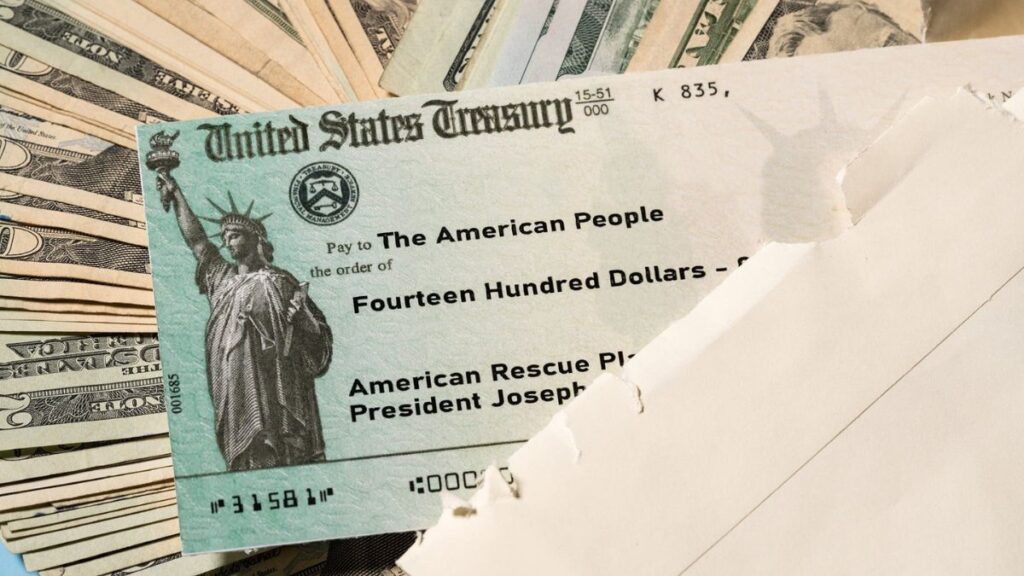
This payment will be provided as a one-time, non-loan-based financial assistance. It is neither a tax refund, nor a stimulus package, nor an advance payment for the following year. Its primary purpose is to help citizens meet their basic needs and provide them with the ability to cope with unexpected expenses at the end of the year.
Key Objectives of this Program:
1. Food and Daily Expenses:

This payment will allow families to easily purchase essential food items such as grains, milk, vegetables, fruits, and other daily necessities. The cost of food is constantly rising, and this amount will help citizens alleviate the burden of high prices.
2. Rent and Housing Costs:
This payment will help cover rent, necessary repairs, or minor home improvements. Many families resort to loans to cover home maintenance; this program will provide them with immediate relief.

3. Energy and Utility Bills:
Many families face difficulties due to the rising cost of electricity, gas, water, and other utility bills. This amount will help them cover these expenses on time.
4. Medical and Healthcare:
Rising medication prices, doctor’s fees, and insurance costs often strain budgets. This payment will provide citizens with financial assistance for their healthcare needs.
5. Unexpected and Contingency Expenses:
This amount can be used for children’s education, holiday expenses, or unforeseen emergencies such as health emergencies, vehicle repairs, etc.
Payments will be made directly to bank accounts via direct deposit. For those without bank accounts, paper checks or other alternative payment options will be available.
Eligibility – Who Can Benefit?
An individual’s eligibility for this program primarily depends on two things:
- Your name must be registered in the government database.
- Your income must be within the limits set by the government.
Eligibility Criteria:
- Income Limits:
- Single Filers: Up to $75,000
- Head of Household: Up to $112,500
- Married Couples (Joint Filing): Up to $150,000
- Permanent Residency: Must be a permanent resident of the U.S. and have a valid SSN (Social Security Number) or ITIN (Individual Taxpayer Identification Number).
- Government Program Registration: Registration in programs such as SNAP, Medicaid, SSI, unemployment assistance, etc., is mandatory.
- Dependents: Additional amounts may be available for households with children, senior citizens, or other dependents.
- Self-employed or gig workers: You are also eligible if you have accurately reported your income.
- Special Groups: Senior citizens, individuals with disabilities, farmers, and members of tribal communities may be additional beneficiaries.
Those Who Are Not Eligible:
- High-income earners
- Immigrants without a valid ITIN or SSN
- Those with inaccurate or incomplete income or tax information
Payment Process and Automation
The biggest advantage of this program is its automated processing. The IRS and Treasury Department will use existing data to transfer payments directly to beneficiaries’ bank accounts.
Benefits of Automation:
- No new application required: Previously registered beneficiaries will automatically receive payments.
- Faster and more accurate distribution: This method is faster and less prone to errors compared to manual processes.
- Reduced risk of fraud: Direct deposit significantly reduces the possibility of counterfeit checks or other fraudulent activities.
- Lower administrative costs: Costs are reduced due to the elimination of manual management and form filling.
- Immediate benefits: Citizens can use the payment as soon as they receive it to meet their essential needs.
This model has proven successful in previous stimulus rounds, where 80% of beneficiaries received payments within just a few weeks.
Payment Timeline and Phased Distribution
Payments will be issued in three phases from mid to late December 2025:
| Phase | Group | Payment Date | Description |
|---|---|---|---|
| First | SSDI / SSI Beneficiaries | December 10–15 | Previously registered seniors and permanent beneficiaries |
| Second | Families and Middle-Income Group | December 16–20 | Families with children and low-income households |
| Third | Other Eligible Groups | December 21–31 | Remaining beneficiaries whose eligibility was previously recorded |
Some beneficiaries may experience slight delays in payment due to bank internal processes and holidays. Therefore, regularly check your bank statement or the IRS portal to confirm the exact payment date.
Payment Benefits and Social Impact
- Immediate financial relief: This will help citizens avoid high-interest loans or credit card debt.
- Support for Social Security recipients: Elderly and disabled citizens can easily manage their daily expenses.
- Contribution to the local economy: Increased cash flow in rural areas and small businesses leads to improved economic activity.
- Flexibility: Beneficiaries can use the amount according to their primary needs.
- Fraud protection: Direct deposit reduces the possibility of counterfeit checks and fraud.
Status Check and Security Measures
Beneficiaries can check their payment status through:
- IRS Portal: Use the “Where’s My Refund?” tool.
- SSA Online Portal: For SSDI or SSI beneficiaries.
- Bank Statement: Look for the “TREASURY 2025” label.
Security Precautions:
- Never share your personal information, passwords, or bank details via email or text message.
- Only use official .gov websites and the SSA portal.
- Be wary of phishing links and scams.
Additional Benefits for Families and Dependents
If your family includes children, senior citizens, or individuals with disabilities, you may be eligible for additional payments. The amount of the additional payment will depend on your family size and the number of dependents. Ensure your information is accurate and up-to-date according to the guidelines provided by the IRS and SSA.
Final Thoughts
The Federal $2,000 direct deposit in December 2025 is a significant economic relief measure for American citizens. It is not only a means of financial assistance but also a testament to the government’s social responsibility and technological efficiency.
Through this program, beneficiaries can cover their daily expenses and address unexpected needs without incurring debt or high interest rates. Maintaining accurate and complete personal and banking information is crucial to ensure timely and secure receipt of payments.
This program demonstrates how modern technology and government policies can work together to simplify and secure the lives of citizens.
FAQs
Q. What is the $2,000 federal direct deposit for December 2025?
A. It is a one-time, non-loan financial assistance from the U.S. government to help eligible citizens cover essential expenses at the end of the year.
Q. Who is eligible to receive this payment?
A. Individuals already enrolled in government programs like Social Security, SNAP, Medicaid, SSI, or unemployment assistance, and whose income falls within government-defined limits.
Q. How will the payment be delivered?
A. Most payments will be made via direct deposit to bank accounts. Paper checks or alternative options are available for those without bank accounts.
Q. When will the payment be issued?
A. Payments will be issued in phases from mid-to-late December 2025: SSDI/SSI beneficiaries first, followed by families and middle-income groups, and then other eligible recipients.
Q. How can I check the status of my payment?
A. You can check via the IRS “Where’s My Refund?” tool, the SSA online portal (for SSDI/SSI), or your bank statement for the label “TREASURY 2025.”