Every year when Daylight Saving Time (DST) comes around, many people take it lightly, but the truth is that this small one-hour change profoundly impacts our sleep, work, travel plans, and daily decisions. This change will also occur in 2026, when clocks will be set back by one hour during the “fall back.” For some, this will be a gift of an extra hour of sleep, while for others, it will cause confusion and disruption to their schedules. In today’s fast-paced life, where everything depends on time, small mistakes are bound to happen if this change is not handled properly. Therefore, it is essential to know when DST will end in 2026, what the time will be in different countries, and how to cope with it. This article will provide you with all the necessary information so you can stay stress-free.
Table of Contents
Official Date and Time of DST 2026 in the USA
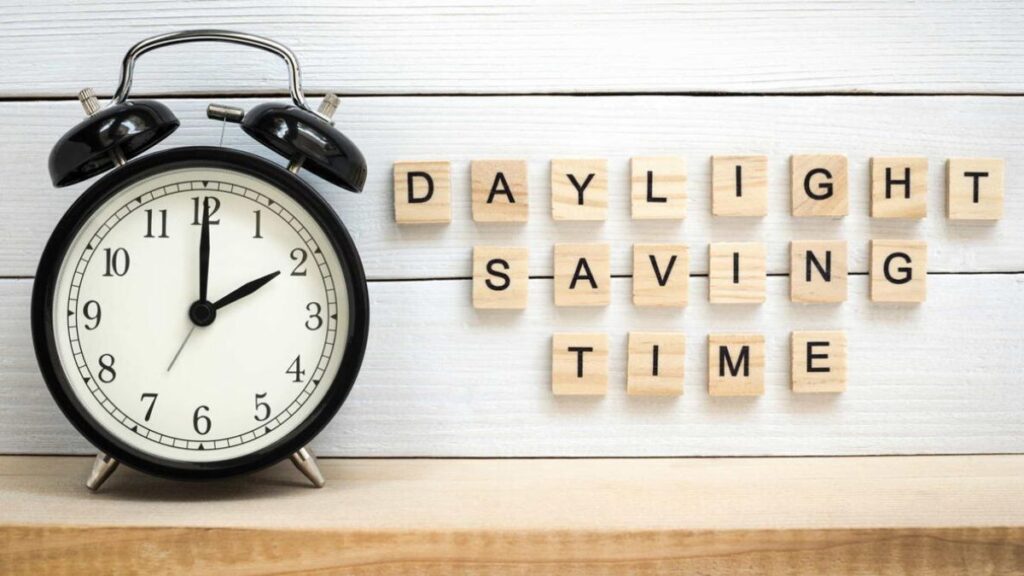
In the United States, Daylight Saving Time 2026 will end on Sunday, November 1st. At precisely 2:00 AM, clocks will be set back one hour to 1:00 AM, effectively repeating the same hour of the night—what people call the “extra hour.” After this, Standard Time begins in the US, where the sun rises earlier in the morning, benefiting schoolchildren and commuters. However, evenings become darker earlier, limiting outdoor activities. This pattern is repeated every year according to federal regulations, unless a new law changes it. It’s crucial to be prepared before this change, as it affects our daily routines.
Why the Time Difference Between Europe and the US Changes

In most European countries, DST ends before it does in the US. In 2026, this change will occur on Sunday, October 25th in Europe. This causes a time difference between Europe and the US that is different from the norm for about a week, which can be a source of trouble for those working in international companies, participating in online meetings, or connecting with friends and relatives living abroad. If time zones are not taken into account when scheduling meetings, calls can be missed or people might log in at the wrong time. In today’s globalized world, this small detail can create big problems, so be sure to note both dates on your calendar.
Countries that don’t observe DST
Not every country adopts DST. Many countries in Asia, Africa, and South America have either never adopted it or have abandoned it, as they believe the disadvantages outweigh the advantages. Meanwhile, in countries like Australia, this change happens during the opposite season – they observe DST during their summer months. For those who travel internationally or conduct global business, knowing the rules of each country is crucial; otherwise, everything from ticket bookings to meetings can go wrong. Countries like India maintain the same time year-round, which provides stability.
The history of Daylight Saving Time and today’s debate
DST was initially introduced with the goal of saving energy. The idea was that more work would be done during daylight hours, thus reducing electricity consumption, and this idea became particularly popular during times of war and economic crisis. However, in today’s world, where industries operate 24/7 and digital devices are always on, this model is no longer as effective. Health experts say that repeatedly changing the time can lead to sleep disturbances, mental health issues, and cardiovascular problems. A debate is now underway in many countries about whether to abolish it or permanently adopt a single time. This debate will continue until a political consensus is reached.
The impact of ‘falling back’ on sleep and health

Turning the clocks back disrupts the body’s internal clock, or circadian rhythm. Even though you might get an extra hour of sleep, it takes several days for the body to adjust to the new time system. Children may become irritable, the elderly may experience fatigue, and working adults may suffer from a lack of concentration. Doctors advise gradually adjusting your sleep and wake times by 15-20 minutes each day a few days before the time change, so that your body doesn’t experience a shock and your routine remains smooth. This small step yields long-term benefits.
Impact on Office, School, and Work Schedules
Office or school hours remain the same after DST ends, but the change in daylight hours alters the entire experience. The earlier sunrise makes mornings seem easier, but the earlier sunset affects after-work plans. This becomes even more complicated for night shift workers – repeating the same hour can cause confusion in payroll, time logs, and shift management if the company isn’t prepared. Therefore, it’s wise to send reminders to your boss and team in advance.
How Reliable Are Technology and Digital Devices?
Nowadays, smartphones, laptops, and smart devices update the time automatically, but don’t rely on everything. Wall clocks, car clocks, microwaves, and older systems still need to be set manually. Business and IT professionals should check servers and automated tools; otherwise, there could be errors in data recording or scheduling. A small oversight can cause big problems.
Practical Tips for Easy Preparation for 2026

A little preparation goes a long way in mitigating the effects of DST. Adjust your sleep schedule by 15-20 minutes a few days before the change and set all manual clocks at once. Parents should gradually adjust their children’s routines. Office workers should send reminders to their teams in advance, especially those on night or early shifts. Mark the dates on your calendar and use reminder apps; these small steps will make life easier.
Caution for Travel, Flights, and International Meetings
This change is most challenging for travelers. Flight and train schedules are updated, but there can be confusion with hotel check-ins, taxi bookings, or personal reminders. In 2026, the one-week time difference between Europe and America could cause you to miss meetings. Therefore, clearly state the date, time, and time zone for every meeting. Travel apps and world clock features will be your allies.
Could DST Be Abolished Forever?
Discussions about permanently ending DST are gaining momentum in several countries and states. Some advocate for keeping standard time year-round, while others prefer permanent DST. However, any decision depends on political consensus and legal processes. Until then, this change will continue every year, and we must be prepared.
Final Note: What to Remember About the 2026 ‘Fall Back’
In 2026, DST will end in the US on November 1st and in Europe on October 25th. Mark your calendars, check your clocks, and prepare your routines in advance. Whether it’s enjoying extra sleep or avoiding scheduling conflicts, the right information and planning will make everything easier.
FAQs
Q. When does DST end in the US in 2026?
A. It ends on Sunday, November 1, 2026, at 2:00 AM when clocks fall back to 1:00 AM.
Q. When does DST end in Europe in 2026?
A. It ends earlier on Sunday, October 25, 2026, at 3:00 AM (falling back to 2:00 AM CET).
Q. Does India observe Daylight Saving Time?
A. No, India has never observed DST and uses a single standard time year-round.
Q. How does the “fall back” affect sleep?
A. It disrupts your circadian rhythm, causing 3-7 days of fatigue, irritability, and focus issues despite the extra hour.
Q. Do smartphones automatically adjust for DST?
A. Yes, most do via auto-sync, but manual clocks, cars, and older devices need updating.