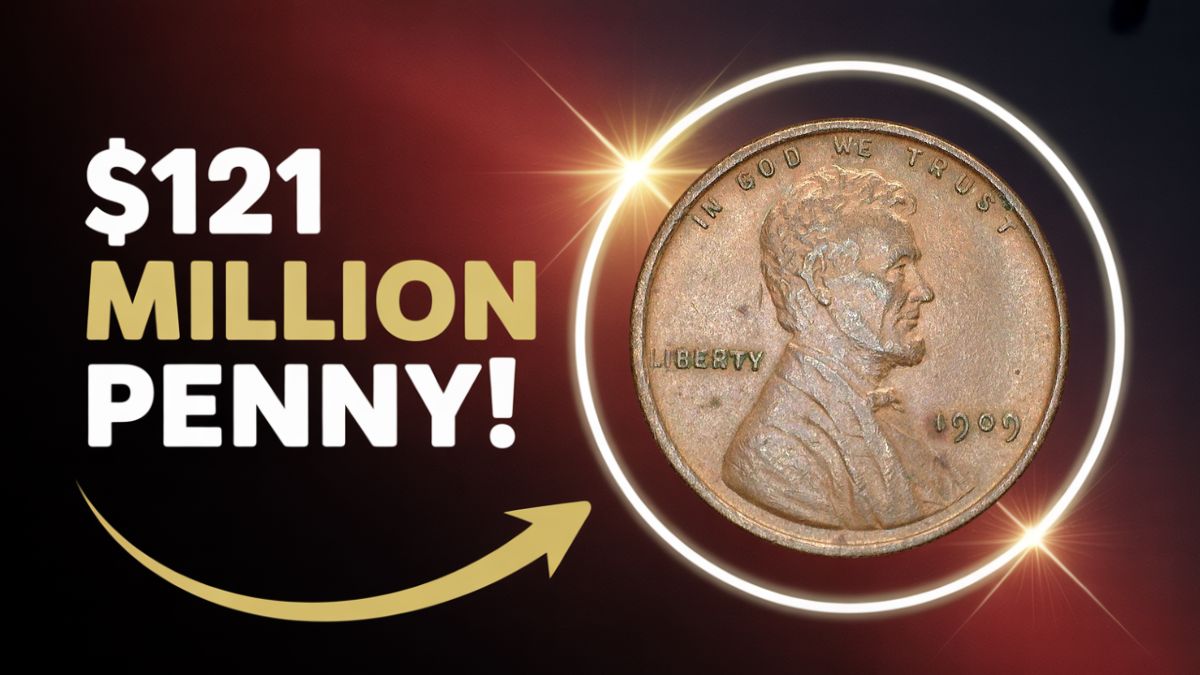
The Wheat Penny, officially known as the Lincoln Cent, holds a very special place in the history of American coinage. It was first issued in 1909, when the United States celebrated the 100th anniversary of the birth of its 16th president, Abraham Lincoln. It was the first American coin to feature the portrait of a real person. Before this, most coins depicted symbolic figures or deities.
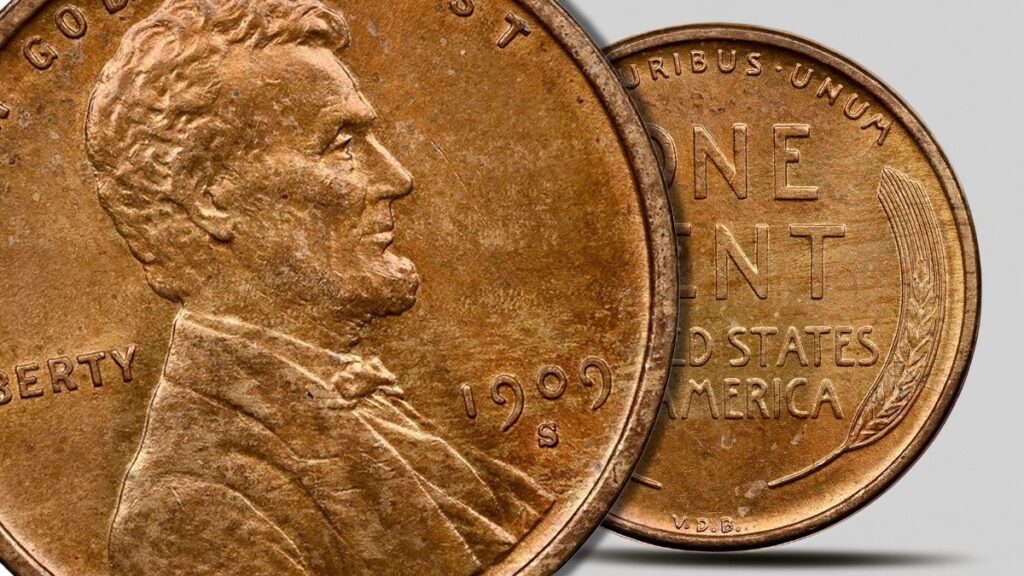
The obverse of the coin features a simple yet striking portrait of Abraham Lincoln, while the reverse depicts two stalks of wheat. This is why it is commonly known as the “Wheat Penny.” The wheat stalks were considered a symbol of American agriculture, self-reliance, and economic growth during that era. These coins were minted for nearly 50 years, from 1909 to 1958, making them witnesses to several significant periods in American history.
Table of Contents
Why Wheat Pennies Are Special to Collectors
Wheat pennies are not just old coins; they are intrinsically linked to America’s social, economic, and political history. They offer insights into the mindset, art, and national identity of the time.
Although millions of Wheat pennies were minted, not all coins are created equal. Some years saw lower production, some mints had limited runs, and some coins had errors that later made them extremely rare. This is why many Wheat pennies have now moved from general circulation to becoming prized possessions for collectors.
Design and Artistic Significance
The design of the Wheat Penny was created by the renowned sculptor and artist Victor David Brenner. Lincoln’s portrait is balanced and conveys a sense of gravitas, reflecting his personality and leadership.
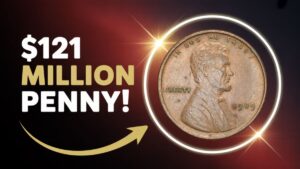
The two stalks of wheat on the reverse may seem simple, but their symbolic significance is profound. They represent hard work, prosperity, and the nation’s agrarian economy. This simple yet meaningful design set the Wheat Penny apart from other coins.
Year and Mintmark: The Key to Determining Value
The first step in determining the value of any Wheat Penny is identifying its year and mintmark. These coins were primarily produced at three mints:
- Philadelphia (P), which typically did not have a mintmark
- Denver (D)
- San Francisco (S)
The number of coins minted varied each year at each mint. Years with lower production are considered rarer and more valuable today.
Some of the most important and expensive Wheat pennies include
- 1909-S VDB, which was produced in extremely limited quantities and can sell for thousands of dollars today.
- 1914-D, which is very difficult to find in good condition.
- 1922 Plain, where the mintmark was missing during production at the Denver Mint.
- 1931-S, which had a very low mintage.
- 1955 Doubled Die, which shows a doubling of the date and lettering on the obverse.
Accurate identification of these coins is crucial for any collector.
Why Coin Condition and Grading Matter
The value of a Wheat Penny doesn’t depend solely on its year; its condition is equally important. Coins are graded from poor to mint state.
If Lincoln’s face is clearly visible, the wheat stalks are distinct, and the coin shows little wear, its value increases significantly. Sometimes, a common date coin in exceptional condition can sell for hundreds of dollars.
This is why professional grading and certification are considered so important. Certified coins inspire more confidence in buyers and have higher demand in the market.
Current Market Trends and Price Status
Today, the market for Wheat pennies is considered stable and strong. Rare years, error coins, and high-grade coins are always in demand.
In recent years, online auctions and collector forums have brought even more transparency to this market. Wheat pennies are also considered a safe investment for the long term, as their supply is limited and interest in them is constantly growing.
Wheat Pennies as an Investment
For those who view coins not just as a hobby but as an investment, Wheat Pennies can be a good option. Rare dates and high-grade coins, in particular, tend to retain or increase their value over time.
However, this requires patience and the right knowledge. Coins purchased without proper research can lead to losses.
Common Mistakes Made by Collectors
Many new collectors overlook the mintmark or make the mistake of cleaning the coins. Cleaning damages the coin’s original surface and reduces its value.
Furthermore, buying from uncertified sellers or failing to verify the authenticity of a coin can be a major mistake.
Proper Collection and Preservation Methods
To preserve Wheat pennies for the long term, they should be stored in airtight holders or quality coin albums. Protecting them from moisture and excessive heat is crucial.
Avoid handling the coins frequently, as sweat and dirt can damage their surface.
Conclusion
Wheat pennies are not just old copper coins; they are an invaluable part of American history, art, and culture. These coins, minted from 1909 to 1958, have varying values depending on their year, mintmark, and condition.
Whether you are a collector or considering an investment, proper knowledge, patience, and caution are essential when dealing with Wheat pennies. With the right choices and proper preservation, these coins can not only provide historical enjoyment but also prove to be financially rewarding in the future.
FAQs
Q. What is a Wheat Penny?
A. A Wheat Penny is a U.S. one-cent coin minted from 1909 to 1958 featuring wheat stalks on the reverse.
Q. Which Wheat Pennies are the most valuable?
A. Rare examples include the 1909-S VDB, 1914-D, 1922 Plain, and the 1955 Doubled Die.
Q. How do I know if my Wheat Penny is valuable?
A. Check the year, mintmark, condition, and whether it has any errors or variations.
Q. Does cleaning a Wheat Penny increase its value?
A. No. Cleaning usually reduces a coin’s value and is discouraged by collectors.
Q. Are Wheat Pennies a good investment?
A. They can be, especially rare or high-grade coins, but value depends on market demand and condition.