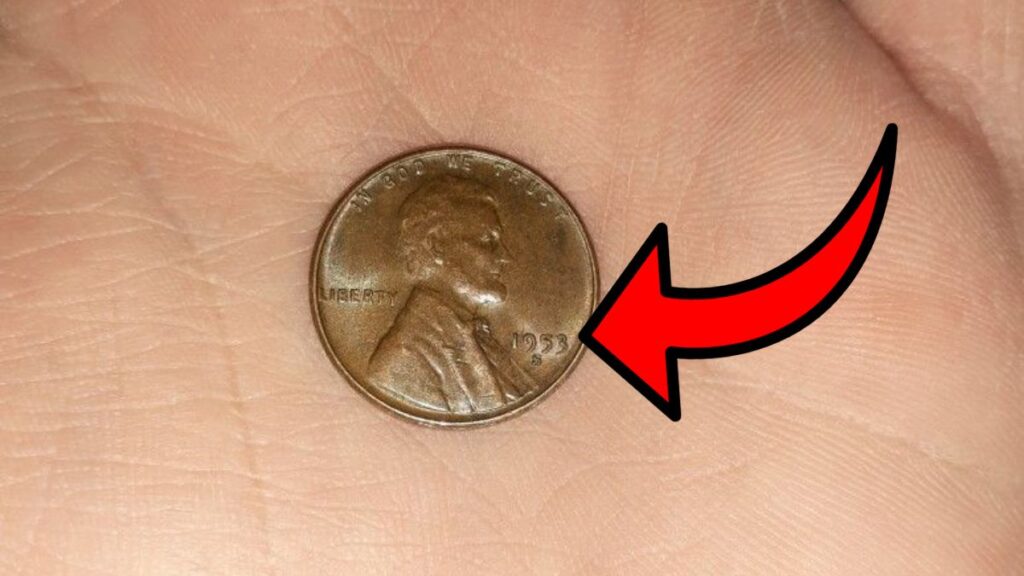
The Lincoln Wheat Penny, minted between 1909 and 1958, remains incredibly popular among coin collectors worldwide. One such example is the 1953 Wheat Penny, which, while appearing to be an ordinary copper coin, can fetch exorbitant prices under certain circumstances. While most pennies from this era are quite common and worth only a few cents, some rare varieties of the 1953 penny, especially those with minting errors, can sell for thousands or even millions of rupees today. This is why there has been tremendous excitement surrounding this coin among collectors and investors in recent years.
Table of Contents
Design and Historical Significance of the 1953 Wheat Penny
The 1953 Wheat Penny is special not only because of its potential value but also due to its historical significance. The obverse of the coin features a portrait of Abraham Lincoln, the 16th President of the United States, a symbol of American history and democracy. The reverse depicts two stalks of wheat, representing the country’s agricultural heritage, prosperity, and hardworking society. This design also reflects the mindset and economy of the time, when America was moving towards stability and growth after World War II.
Why Some 1953 Wheat Pennies Are Expensive

Not every 1953 The Wheat Penny is rare, but certain minting errors can significantly increase its value. The most sought-after errors include doubled die, off-center strike, repunched mint mark, and die cracks. A doubled die occurs when the design is struck onto the coin more than once at slightly different angles, resulting in a doubled image of the letters or design. This error is not only visually distinct but also quite rare, making collectors willing to pay a premium for it.
The Importance of Coin Condition and Grading
The condition of a 1953 Wheat Penny plays a huge role in determining its value. Coins that look brand new, with minimal wear and a clean surface, are considered in mint condition. These coins fetch the highest prices. Conversely, if a coin has many scratches, stains, or significant wear, its value decreases considerably. This is why serious collectors always rely on professional grading. Certified coins not only guarantee authenticity but also provide an accurate assessment of their condition, building trust in both buying and selling.
How to Identify a Rare 1953 Wheat Penny
If you have a 1953 Wheat Penny and want to know if it’s rare, first carefully examine the date and mint mark. The mint mark is usually located below the date and indicates which mint produced the coin. Coins minted in Philadelphia have no mint mark, while those from Denver have a “D” and those from San Francisco have an “S.” Some specific errors are only found at certain mints, so this information is crucial.

Next, use a magnifying glass or jeweler’s loupe to carefully examine the letters, numbers, and design. If any letters appear doubled, the design is crooked, or there are any unusual markings, the coin might be special. Comparing it to reference photos or consulting a reliable coin guide is also helpful. If the coin appears to be very valuable, sending it for professional authentication and grading is the safest course of action.
Cultural and Historical Significance of the 1953 Wheat Penny
The 1953 Wheat Penny is more than just a coin; it’s a small piece of American history. The Lincoln penny was introduced in 1909 to commemorate the 100th anniversary of Abraham Lincoln’s birth, and since then, this coin has become a symbol of national identity. The reverse design featuring wheat stalks reflects the agricultural economy and the spirit of hard work prevalent at that time. Coins with minting errors are particularly special because they offer a glimpse into the technology and production processes of that era. Each error tells a story, revealing the working methods of the time.
Essential Tips for Collectors
If you believe you possess a rare 1953 Wheat Penny, proper care is crucial. First and foremost, never clean the coin. Many people wash or rub coins to make them shine, which damages the surface and can significantly reduce their value. Always store coins in secure holders or coin flips and keep them in a dry place away from moisture.

Equally important is educating yourself. Read coin guides, attend numismatic events, and seek advice from experienced collectors. The more knowledge you have, the better you’ll be able to identify valuable coins. Professional grading not only authenticates the coin but also helps with future sales or insurance purposes.
Market Value and Investment Potential
The demand for rare 1953 Wheat pennies is rapidly increasing. While a commonly circulated penny is worth only a few cents, error coins in good condition can fetch thousands or even tens of thousands of dollars at auction. This is why they are now being viewed not just as a hobby but also as an investment. Many casual collectors become serious investors when they discover such a rare coin.
Key Points at a Glance
- Minting errors in the 1953 Wheat Penny can make it extremely valuable.
- Errors such as doubled die, off-center strike, and die cracks are highly sought after.
- The coin’s condition and professional grading directly impact its value.
- The historical significance of this coin makes it even more special for collectors.
- Proper care, knowledge, and research are essential for identifying a true treasure.
Final Thoughts
The 1953 Wheat Penny is a prime example of how seemingly ordinary coins encountered in everyday life can possess extraordinary value and significance. Rare error coins are not only financially rewarding but also offer a unique glimpse into history, art, and technology. If you approach it with the right knowledge, care, and understanding, this hobby can even turn into a fantastic investment. Whether you’re a new or experienced collector, the rare 1953 Wheat Penny offers everyone a chance to connect with excitement and history.
FAQs
Q. Are all 1953 Wheat pennies valuable?
A. No, most 1953 Wheat pennies are common. Only those with rare minting errors or in excellent condition have high value.
Q. What makes a 1953 Wheat penny rare?
A. Minting errors like doubled die, off-center strike, repunched mint marks, and die cracks make the coin rare and valuable.
Q. How can I check if my 1953 penny has an error?
A. Use a magnifying glass to look for doubled letters, misaligned designs, or unusual marks, and compare with verified coin references.
Q. Does the mint mark affect the value of a 1953 Wheat penny?
A. Yes, mint marks (D or S) can affect rarity, as some errors are specific to certain mints.
Q. Should I clean my 1953 Wheat penny before selling?
A. No, cleaning can damage the coin and reduce its value. Always keep it in original condition.