Rare U.S. Coins Alert: In our daily lives, we simply use coins as a means of transaction. We take them out of our pockets, buy something, and move on. We rarely stop to think that these small pieces of metal might have a story behind them. But the truth is, sometimes these seemingly ordinary coins, through a combination of history, rarity, and luck, can become worth millions. In particular, some dimes and the 1976 Bicentennial quarters are examples of coins that might still be hidden in people’s homes, old wallets, or coin jars.
This article isn’t just about prices; it’s about learning to see the extraordinary in the ordinary. Every rare coin carries with it a story of a bygone era, a minting error, or a historical event.
Table of Contents
The Secret of Value: How an Ordinary Coin Becomes Priceless
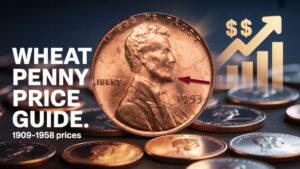
The value of a coin isn’t determined solely by its age. Sometimes very old coins aren’t very valuable, while some relatively new coins sell for millions. There are several key reasons for this.
Historical significance is the biggest factor. Coins minted during a particular era or historical event are in high demand.
Mint errors also make a coin incredibly special. Sometimes a coin is struck on the wrong metal, sometimes the design is double-struck, or sometimes the mint mark is missing—such errors make the coin unique.
The condition of preservation is also crucial. Coins that have survived to this day without wear or scratches are worth many times more.
And finally, collector interest. The true value of a coin is created when people want to own it. Hobbies, a love of history, and investment—all these factors combine to create the market.
Some Special and Famous Rare Coins
1894-S Barber Dime: A Mysterious Treasure
This dime is considered one of the most mysterious stars in the world of American coins. It is believed that only 24 of these coins were minted at the San Francisco Mint in 1894. Today, fewer than ten are known to exist. The reason for such a limited mintage is still debated. Some stories suggest they were made for special individuals. If someone were to find one of these coins, its value could exceed 100 million rupees.
1916-D Mercury Dime: Early Rarity
The first year of the Mercury Dime series and an extremely low mintage from the Denver Mint—these two factors make the 1916-D Mercury Dime exceptionally rare. It is identified by the small “D” mint mark on the reverse. The better the condition, the higher the price. In good condition, this coin can fetch millions to tens of millions of rupees.
1975 No-S Roosevelt Proof Dime: A Modern Error
This coin proves that rarity isn’t limited to the old days. In 1975, some proof dimes minted at the San Francisco Mint were mistakenly struck without the “S” mint mark. Such an error in proof coins, where perfection is expected, makes them incredibly valuable. Today, its value has reached tens of millions of rupees.
1976 Bicentennial Quarter: Ordinary Appearance, Extraordinary Value
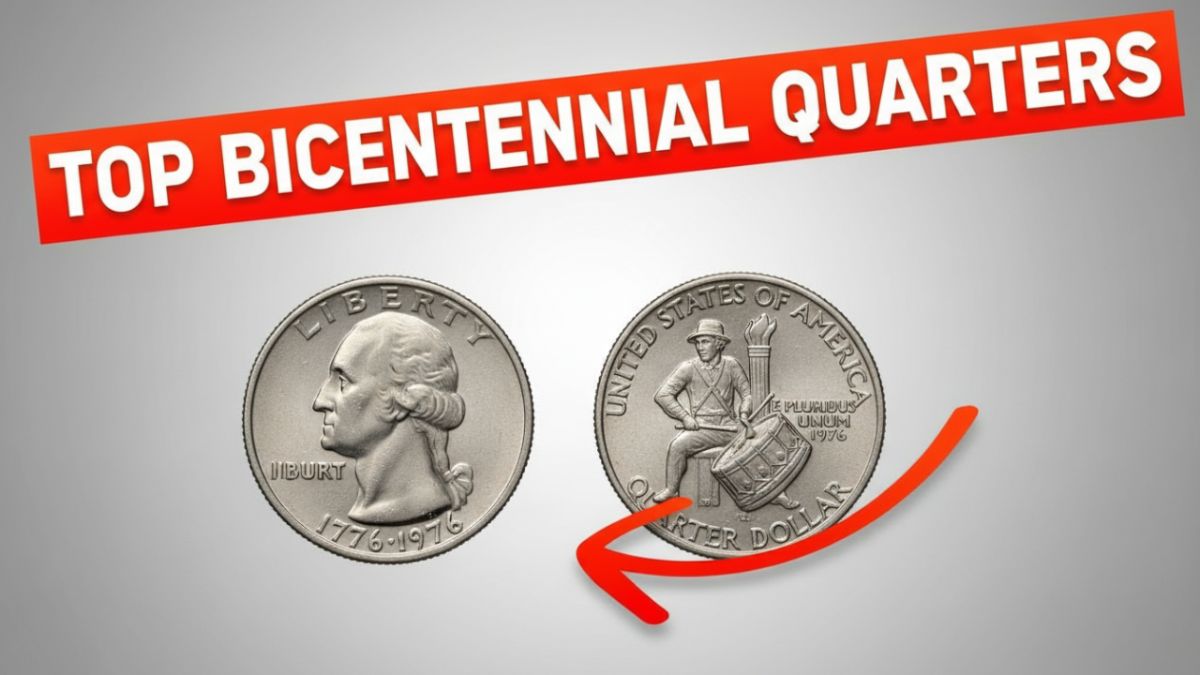
The Bicentennial Quarter was issued in 1976 to commemorate the 200th anniversary of the United States. Its reverse features a design of a drummer, setting it apart from other quarters. Most people consider it a common coin, and rightly so—billions were minted. However, some special editions are quite interesting.
The Silver Proof Bicentennial Quarter is made of 40% silver and is typically found in collector sets. Its weight and sound (when struck) are different from a regular quarter. Finding one of these accidentally in circulation would be a truly remarkable discovery. Meanwhile, error quarters, such as coins struck on the wrong metal or those with significant design flaws, are highly sought after by collectors.
How to Start Your Search: Easy Ways for the Average Person
If you also want to find something special among your old coins, getting started isn’t difficult. Examine the coins carefully in good light. A small magnifying glass comes in very handy.
Look for the mint mark near the date on dimes, and pay attention to the details of the design on quarters. If a coin looks unusual, absolutely do not clean it. Cleaning can reduce its value.
Place the coin in a protective cover and have it examined by a reputable coin expert or a professional grading service.
Connecting with Coins: More Than Just Money, It’s History
The real joy of coin collecting isn’t just about making money, but about connecting with history. Every coin tells a story of the era in which it was minted. Whether it was a time of war, a celebratory occasion, or a human error—everything is captured in these pieces of metal.
The coin in your pocket might not be worth millions, but it is still a part of history. When we learn to look closely, we realize that history isn’t just in books or museums, but all around us.
Perhaps the next time you handle loose change, take a closer look—who knows, fortune might be in your hands.
FAQs
Q. What makes a coin rare and valuable?
A. A coin becomes valuable due to rarity, historical importance, minting errors, high demand, and excellent condition.
Q. Are all 1976 Bicentennial quarters valuable?
A. No, most are common and worth face value. Only silver versions or error coins have higher value.
Q. How can I identify a silver Bicentennial quarter?
A. Silver quarters are heavier, have an “S” mint mark, and make a distinct ringing sound when tapped.